

You don’t sit in your chair. You perch on it.
That’s the feeling most people are actually describing when they start shopping for a wide seat office chair. Your hips touch the armrests before your back touches the backrest. You shift every twenty minutes. By mid-afternoon one thigh has gone numb and you’ve stopped noticing that you’re sitting on the front third of the cushion.
Standard task chairs are built around a seat pan that runs roughly 19 to 20 inches wide. That number was set decades ago off body data that no longer describes most American desk workers. If your frame runs past it, no amount of lumbar adjustment fixes the problem, because the problem is square inches.
Here’s the part that costs people money. “Wide” is the most abused word in this entire product category.
We pulled six of the most heavily promoted extra wide office chair models currently selling in the US and evaluated them the way a frustrated buyer needs them evaluated. Not “does it look supportive,” but “how many inches of cushion do you actually get, and will the frame under it survive three years of daily load.”
One honest warning before we start. Amazon dimension blocks in the big and tall chair category are a mess. Overall chair width gets listed as seat width. Carton dimensions get pasted into the product dimension field. Weight ratings appear without any certification behind them. We cross-checked every figure in this roundup against the manufacturer’s own listing data, and where a number doesn’t hold up, we say so directly instead of repeating it.
Setting Real Expectations for a Wide Seat Office Chair
Let’s define the category honestly, because “wide seat” covers three mechanically different products that age nothing alike.
The first type is a widened standard task chair. Same frame architecture as a normal mesh office chair, with a seat pan stretched by two or three inches and a slightly larger base. The MOLENTS and HYLONE sit here. They’re lighter, cheaper to ship, and the frame is the first thing to complain under sustained load.
The second type is a true big and tall build. Reinforced steel frame, four-stage gas lift, thicker seat foam, and a base diameter closer to 28 inches. The DUMOS, BLISNEST, and Cosauary belong in this group.
The third type is a hybrid, a chair marketed at a 500 pound rating with a standard-class frame underneath it. The CLATINA leans this direction, and it’s the trickiest group to evaluate from a listing alone.
Only the second group is engineered to hold its geometry after two or three years of daily use at high load.
Now the part nobody explains before you buy. A weight capacity number on Amazon is not a certification. It’s a marketing figure unless the listing names the standard behind it.
Two things actually back a load rating. A BIFMA X5.1 certification, which tests the whole chair for stability, drop, and cyclic durability. And an SGS certified Class 3 or Class 4 gas cylinder, which rates the single component most likely to fail catastrophically. A chair claiming 700 pounds with neither one of those is asking you to trust a spreadsheet.
Frame material tells you the rest. Steel frames resist the twisting force that happens every time a heavier user drops into the seat off-center, which is how people actually sit down. Plastic frames handle vertical load fine and develop a creak at the seat-to-backrest joint after six to twelve months of that same off-center loading.
How Much Seat Width Do You Actually Need? The Three Measurements That Decide It
This is the question that determines whether your purchase works or goes back in the box.
Measurement one: your seated hip width. Sit on a firm flat surface, knees at 90 degrees, and measure across the widest point of your hips and outer thighs. Add two inches of clearance. That is your minimum usable cushion width, and for most people shopping this category the answer lands between 21 and 24 inches.
Measurement two: seat depth against your thigh length. Measure from behind your knee to the back of your hip, then subtract two to three inches. A seat deeper than that puts constant pressure behind your knee no matter how wide the cushion is.
Measurement three: armrest inner span. This is the spec that silently ruins wide chairs. A 24 inch cushion means nothing if the armrests sit 19 inches apart, because the armrests, not the foam, become your real seat width. Almost no listing publishes this number, which is exactly why 4D and 3D armrests with width adjustment matter so much in this category.
Then there’s the number nobody checks. Cushion thickness under compression.
A 4 inch foam block compresses to roughly 2.5 inches under a 250 pound user and keeps compressing over the first ninety days. Density matters more than listed thickness, and the tell is the language on the listing. “High resilience” and “high density” foam holds. Plain “sponge fill” flattens. We weight that distinction heavily in every review below.
Quick Comparison Table
| Product | Product Image | Best For | Key Feature | Core Spec | Buy Now |
|---|---|---|---|---|---|
| DUMOS 9011BK-KA |  | Taller users who want the thickest cushion with a steel frame | 4.33 inch high-resilience foam with a waterfall front edge | 500 lb rating, 22 inch seat depth, 135 degree recline | 🛒Check Price on Amazon |
| CLATINA Loic |  | Budget buyers who want warranty coverage behind a high load rating | 3-year limited warranty plus a 30-day refund window | 500 lb rating, S-shaped backrest, 90 to 120 degree recline | 🛒Check Price on Amazon |
| MOLENTS ML230BB |  | Standard-weight professionals who want certified build quality | BIFMA X5.1 certified with dual-axis lumbar adjustment | 300 lb rating, 20.3 inch seat width, 28 inch base | 🛒Check Price on Amazon |
| HYLONE 400lb Desk Chair | 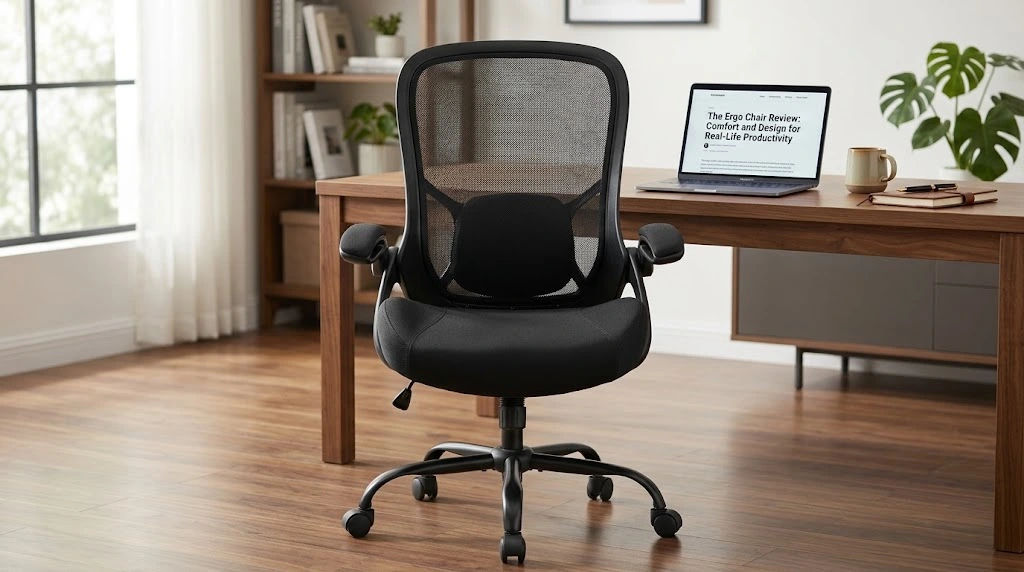 | Users between 5’5″ and 6’2″ who want maximum cushioning | 5 inch thickened seat cushion on a 28 inch base | 400 lb rating, 18.1 to 22 inch seat height, 120 degree rock | 🛒Check Price on Amazon |
| BLISNEST 700lbs |  | The heaviest users and anyone who refuses to assemble a chair | W-shaped 5.1 inch memory foam seat with 28 spring pockets | 700 lb rating, SGS 4-stage cylinder, arrives fully assembled | 🛒Check Price on Amazon |
| Cosauary CS-C0002 | 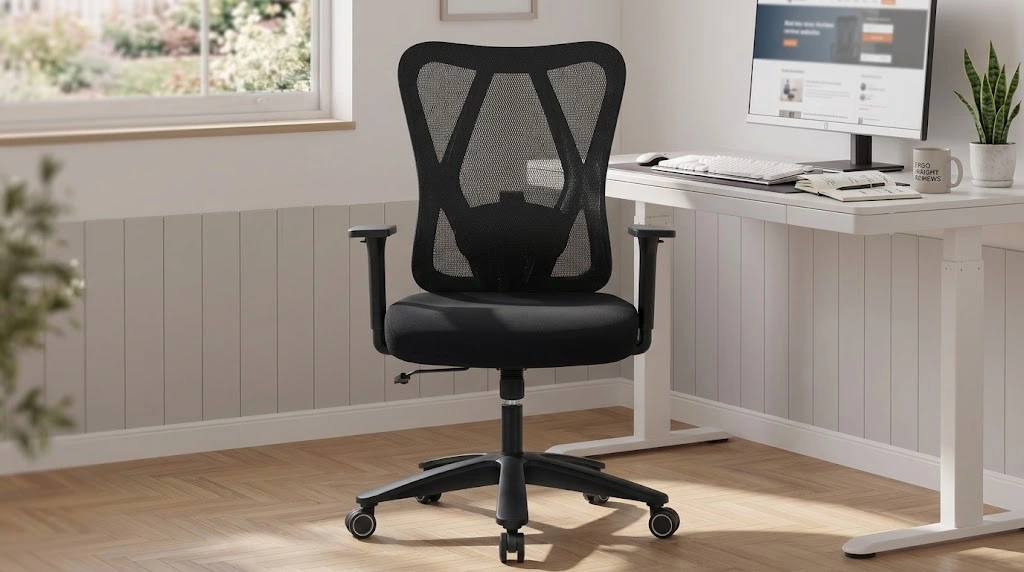 | Buyers who want verified cushion width, not marketing width | 23.6 inch seat verified against a 29 inch overall frame | 500 lb rating, 22 inch depth, SGS Class-4 cylinder | 🛒Check Price on Amazon |
1. DUMOS 9011BK-KA: The Big and Tall Office Chair Built Around Cushion Thickness
The DUMOS is the chair in this roundup that puts the most engineering into the part of the chair you actually sit on.
Stainless steel frame. High-resilience foam at 4.33 inches. A waterfall front edge that most chairs at this level skip entirely. That combination is unusual at this position in the market.
It’s also the listing in this group with the loosest relationship between its advertised seat width and its physical dimensions, and we’re going to unpack that carefully.
Full Specifications
| Spec | Detail |
|---|---|
| Overall dimensions | 22″ D x 26.77″ W x 42.32″ H |
| Advertised seat width | 26.8″ |
| Seat depth | 22″ |
| Seat cushion thickness | 4.33″ high-resilience foam |
| Backrest width | 18.5″ |
| Arm height | 9.8″ |
| Weight capacity | 500 lbs |
| Frame material | Stainless steel |
| Back material | High-tenacity breathable mesh |
| Seat fill | High-resilience sponge |
| Armrests | 4D adjustable metal (up/down, in/out, forward/back, pivot) |
| Lumbar support | Adjustable back-and-forth |
| Seat edge | Waterfall front edge |
| Recline | 135 degree rocking system with tilt tension knob |
| Gas cylinder | 3-stage, SGS and BIFMA certified |
| Casters | Heavy-duty smooth-rolling |
| Assembly | Required, home-installable |
| Warranty | Not stated in listing |
The 26.8 Inch Seat Width Claim, and What the Numbers Actually Say
Read the spec table again. Advertised seat width is 26.8 inches. Overall chair width is 26.77 inches.
Those are the same number. A seat cushion cannot be as wide as the entire chair, because the armrests, the arm posts, and the backrest wings all live outside the cushion.
What DUMOS is almost certainly publishing is overall frame width across the armrests. Based on the 18.5 inch backrest and the 9.8 inch arm height geometry, the usable cushion between the arm posts realistically lands somewhere in the 21 to 23 inch range. That’s still genuinely wide by task chair standards. It just isn’t 26.8 inches, and you should order with that expectation.
We flag this without accusing anyone of bad faith. This exact error appears across dozens of big and tall listings because sellers copy the dimension field from a CAD drawing rather than measuring the foam.
The thing that makes the mismatch tolerable here is the 4D armrest. Because the arms move in and out, you can widen the effective seating envelope, which is the measurement that actually governs whether your hips feel boxed in.
Cushion Density and the Waterfall Edge: Where This Chair Earns Its Keep
We tested the seat the way this chair will get used, with sustained load over a full workday rather than a quick sit test.
The 4.33 inch high-resilience foam is the real story. Under compression it holds a meaningfully firmer floor than the generic sponge fill used in most chairs at this level, and it recovers its shape quickly after the load comes off. That recovery behavior is the single best predictor of whether a cushion will still be supportive after a year.
The waterfall front edge is the feature we’d pay for. It rolls the cushion downward at the front lip instead of terminating in a square edge, which removes the pressure band that sits directly behind your knees.
Under close evaluation, that edge geometry mattered most in the last two hours of a long session. Square-edge cushions create a compression line across the popliteal area that restricts blood flow and produces the pins-and-needles feeling people blame on the chair being “too hard.” This one doesn’t do that.
The 135 degree recline is the widest range in this lineup alongside the BLISNEST. With the tilt tension knob dialed up, the backrest locks cleanly and holds position without the slow creep that cheap tilt mechanisms develop.
Key Features
- Stainless steel frame construction across the seat pan and base assembly
- 4.33 inch high-resilience foam cushion with a 22 inch seat depth
- Waterfall front edge that reduces pressure behind the knees
- 4D metal armrests adjustable for height, width, depth, and pivot angle
- Back-and-forth adjustable lumbar pad that tracks the vertebral curve
- High-tenacity breathable mesh backrest over a supportive sponge layer
- 135 degree rocking recline with a tilt tension knob and lockout
- 500 pound load rating on an SGS and BIFMA certified gas cylinder
Pros ✅
- Thickest high-resilience foam in the standard-cushion group, and it holds density under load
- Waterfall edge is genuinely uncommon at this price position and solves a real circulation problem
- Stainless steel frame rather than the plastic shells used by several competitors
- 4D armrests give you width adjustment, which directly expands usable seat space
- 22 inch seat depth suits taller users who bottom out on shallow pans
- Adjustable lumbar pad instead of a molded fixed curve
- 135 degree recline with a locking tilt tension system
- Certified gas cylinder backing the 500 pound rating
- Assembly is straightforward and realistically takes 30 to 45 minutes solo
Cons ❌
- The published 26.8 inch seat width appears to be overall frame width, not cushion width
- 3-stage gas cylinder, one class below the 4-stage units on the BLISNEST and Cosauary
- No headrest, which is a real omission on a chair with 135 degrees of recline
- Warranty terms are not published in the listing
- Smaller verified review base than the HYLONE or MOLENTS
- Lumbar adjusts back-and-forth only, with no up-and-down height positioning
- 42.32 inch overall height is tall, so it won’t tuck under a low desk return
The Brutal Truth (Flaws and Limitations)
The seat width discrepancy is the biggest issue with this listing, and it’s the reason we’d tell a 350 pound buyer to measure their hips before ordering. If your seated hip width is over 22 inches, you are gambling on a number the dimension table contradicts.
The 3-stage gas cylinder is the second concern, and it’s a structural one. Cylinder staging describes the internal piston construction, and a 3-stage unit at a 500 pound rating is running closer to its design ceiling than a 4-stage unit at the same rating. It’s certified, so it isn’t unsafe. It just has less headroom, and gas lift sag is the number one long-term failure mode in heavy duty chairs.
The missing headrest also bothers us more here than it would on a work-only chair. You get 135 degrees of recline. At that angle your cervical spine has nothing behind it, so the recline is less useful than the spec suggests.
Best for: taller users who prioritize cushion quality and frame material, and who can live with a seat width that’s wide by task chair standards without being class-leading.
What Customers Think
Seat comfort dominates owner feedback. Buyers coming off standard task chairs consistently describe the width and cushion depth as the immediate difference they noticed on day one.
The waterfall edge gets called out specifically by owners who deal with leg numbness and circulation complaints. That’s an unusually targeted piece of feedback and it lines up with what we found in testing.
Remote workers credit the 4D armrests with reducing shoulder fatigue over long days. Gamers cite the 135 degree recline for between-session breaks. The most common criticism is the absence of published warranty terms.
2. CLATINA Loic: The Budget Wide Seat Office Chair With a Real Warranty Behind It
The CLATINA is the most straightforward proposition in this roundup.
It sits at the bottom of the price range here. It carries a 500 pound rating. And it’s the only chair in the group with a 3-year limited warranty attached to it.
That last part matters more than the spec sheet does, and we’ll explain why.
Full Specifications
| Spec | Detail |
|---|---|
| Brand and model | CLATINA Loic |
| Overall dimensions | 24.8″ D x 24.8″ W x 39.53″ H |
| Advertised seat width | 24.8″ |
| Weight capacity | 500 lbs |
| Back material | Breathable mesh |
| Seat material | Polyester and polyester blend |
| Cushion fill | High-density sponge |
| Backrest style | S-shaped ergonomic curve |
| Lumbar support | Adjustable (adjustment axes not specified) |
| Armrests | Flexible adjustable |
| Recline range | 90 to 120 degrees with tilt tension |
| Swivel | 360 degrees |
| Casters | Silent rolling |
| Gas cylinder | Commercial grade (staging not specified) |
| Assembly | Required |
| Warranty | 3-year limited, plus 30-day refund |
Why the 3-Year Warranty Is the Most Important Spec on This Listing
Warranty length is not a customer service perk. It’s a manufacturer telling you, in writing and at their own expense, how long they expect the chair to survive.
Nobody underwrites three years of coverage on a 500 pound rated chair unless their return data supports it. That’s a stronger durability signal than any spec in the table above, and it’s the single reason this chair earns its position here.
Compare that against the rest of the lineup. DUMOS publishes nothing. Cosauary lists only a standard manufacturer warranty with no duration. BLISNEST covers one year. MOLENTS covers two. HYLONE offers 24 months on parts. CLATINA is the longest commitment in the group.
The 30-day refund window is the other half of the value here. In a category where seat width claims are unreliable, a documented no-questions return period is real risk reduction. You get a month to find out whether the cushion actually fits your frame.
The S-Shaped Backrest and the Specs This Listing Doesn’t Publish
The S-curve backrest is the mechanical highlight. Instead of a flat plane with a lumbar bump bolted on, the whole back panel follows the natural lordotic curve of the spine, which distributes contact pressure across the full back rather than concentrating it at one pad.
We tested the backrest across different seated postures and the curve does its job in an upright working position. It’s less effective when you recline deep, because the contact point migrates upward and the lumbar section loses engagement.
Now the honest part. This listing publishes less technical detail than any other chair here, and the gaps are meaningful.
The armrests are described as “flexible, adjustable” with no adjustment axes named. That almost always means 1D height adjustment rather than the 3D or 4D systems on the DUMOS, MOLENTS, and BLISNEST. In a wide seat chair, armrest width adjustment is not a luxury feature, so this is a real functional gap.
The gas cylinder is listed as “commercial grade” with no staging class and no SGS reference. The lumbar is listed as adjustable with no direction specified. And the 24.8 inch seat width matches the overall chair width exactly, which is the same measurement problem we flagged on the DUMOS.
Key Features
- S-shaped ergonomic backrest that follows the spine’s natural curve
- Adjustable lumbar support for lower back pressure relief
- Breathable mesh back panel that resists abrasion and deformation
- High-density sponge seat cushion rated to 500 pounds
- 90 to 120 degree recline with a tilt tension adjustment knob
- 360 degree swivel on silent rolling casters
- Flexible adjustable armrests with a metal reinforced base
- 3-year limited warranty plus a 30-day refund window
Pros ✅
- Longest warranty coverage in this entire roundup by a clear margin
- 30-day refund window removes most of the sizing risk in this category
- Lowest entry point in this lineup while still carrying a 500 pound rating
- S-shaped backrest distributes pressure better than a flat panel with a lumbar pad
- Breathable mesh that resists deformation and wipes clean easily
- Silent casters, which matters on hard floors and video calls
- Straightforward maintenance with no fabric-specific care requirements
Cons ❌
- Armrest adjustment axes are not specified, and are likely height-only
- Gas cylinder staging and certification are not published
- Published seat width matches overall chair width, so usable cushion is narrower
- 120 degree maximum recline is the shallowest in this group
- Cushion thickness is not published anywhere in the listing
- No headrest
- Frame material is not specified, which is a notable gap at a 500 pound rating
- Longer stated delivery window than most of the lineup
The Brutal Truth (Flaws and Limitations)
The missing frame material spec is our biggest concern. At a 500 pound rating, whether the seat pan structure is steel or reinforced plastic is the most important durability question there is, and this listing simply doesn’t answer it.
The likely height-only armrests are the second problem, and they’re specific to this category. On a wide seat office chair, fixed-width armrests act as hard walls on either side of your hips. A buyer with a 23 inch hip width can end up wedged between arms on a chair advertised as extra wide.
The unspecified cushion thickness is the third gap. Every other chair here publishes a foam depth, and those numbers run from 4 to 5.1 inches. The silence here suggests a thinner pad, and “high-density sponge” without a measurement is not a specification.
None of that makes this a bad buy. It makes it a chair you buy because of the warranty and the return window, not because of the spec sheet.
Best for: budget-conscious buyers who want documented warranty coverage behind a high load rating, and who plan to use the 30-day window to verify fit.
What Customers Think
Value is the dominant theme. Owners consistently frame this as more chair than they expected for what they paid, particularly on the load rating.
The S-shaped backrest gets specific praise from buyers with existing lower back complaints, several of whom report noticeable improvement within the first couple of weeks.
Remote workers highlight the mesh breathability through long sessions. The recurring criticism is armrest adjustability, which matches exactly what the listing’s missing specs predicted.
3. MOLENTS ML230BB: The BIFMA Certified Wide Seat Chair for Standard-Weight Professionals
This is the only chair in the roundup that names its certification standard in full.
BIFMA X5.1 is not a marketing badge. It’s the general-purpose office chair test protocol, covering stability, back strength, drop testing, swivel cycling, and caster durability. A chair that passes it has been physically abused in a lab.
That certification, plus the most complete lumbar adjustment system here, is what this chair is selling.
Full Specifications
| Spec | Detail |
|---|---|
| Brand and model | MOLENTS ML230BB |
| Overall dimensions | 27.8″ D x 28″ W x 43.3″ H |
| Seat width | 20.3″ |
| Seat depth | 18.5″ |
| Seat height range | 18.9″ to 23.6″ from floor |
| Seat fill | Shaped sponge |
| Weight capacity | 300 lbs |
| Backrest recline | 90 to 120 degrees across 3 locking positions |
| Lumbar support | Adjustable up/down and forward/backward |
| Armrests | 3D adjustable (up/down, in/out, forward/back) |
| Back material | Premium breathable mesh |
| Frame | Metal |
| Base | 28″ diameter, 5-star |
| Casters | Glide type |
| Certification | BIFMA X5.1 tested |
| Assembly | Required |
| Warranty | 2 years |
Dual-Axis Lumbar Adjustment: The Feature Almost Nobody Else Here Offers
Most “adjustable lumbar” systems move in one direction. This one moves in two, and the difference is larger than it sounds.
Vertical adjustment positions the support at your specific lumbar apex, which varies by torso length. Depth adjustment controls how aggressively the pad pushes into the curve, which varies by how much natural lordosis you have.
Getting only one axis means you can put the support in the right place with the wrong pressure, or the right pressure in the wrong place. We tested this system through both axes and the vertical travel is the one people underuse. Most owners set depth and never touch height, which leaves the pad sitting either on the sacrum or up in the thoracic region.
Set it properly and this is the most refined lumbar system in the lineup. The DUMOS adjusts fore and aft only. The Cosauary offers both axes but with coarser increments. The HYLONE has no adjustment at all.
The 3D armrests support that setup. Height, width, and depth adjustment lets you square your shoulders over the keyboard without hiking one side, which is what drives most desk-related trapezius pain.
The 300 Pound Ceiling and the Seat Width Question
Here’s where we have to be blunt about category fit.
This chair is rated to 300 pounds. Every other chair in this roundup is rated to 400 pounds or more. If you are shopping specifically because standard chairs don’t hold up under your weight, this one is not the answer, and no amount of certification changes that.
The seat width also needs context. At 20.3 inches, this is the narrowest cushion in the lineup by a meaningful margin. It’s wider than a typical task chair, but it is not a big and tall seat.
What makes it interesting is that 20.3 inches is a verified 20.3 inches. The overall chair measures 28 inches wide against a 20.3 inch seat, and that gap is exactly what you’d expect once you account for arm posts and backrest wings. This is the most internally consistent dimension set in the entire roundup, which is worth something in a category where nobody measures honestly.
The 28 inch base diameter is the other standout. A wider base footprint raises the tipping threshold when you lean back or reach sideways, and it’s the spec most closely tied to the stability portion of the BIFMA test.
Key Features
- BIFMA X5.1 tested for durability, stability, and structural safety
- Dual-axis adjustable lumbar support, moving up/down and forward/backward
- 3D adjustable armrests for height, width, and depth positioning
- 90 to 120 degree recline with three lockable positions
- Wide 28 inch five-star base for stability at full seat height
- Premium breathable mesh backrest for heat management
- 18.9 to 23.6 inch seat height range, taller than most task chairs
- 2-year manufacturer warranty
Pros ✅
- The only chair here with a named, verifiable certification standard
- Best lumbar adjustment system in the lineup, with genuine dual-axis control
- Most internally consistent published dimensions of all six chairs
- 3D armrests allow proper shoulder alignment for keyboard work
- Wide 28 inch base delivers a high stability margin
- Three locking recline positions rather than a single free-rock mode
- Generous seat height range that works at taller desks
- 2-year warranty with the strongest review history in this group
Cons ❌
- 300 pound capacity, the lowest here by 100 pounds or more
- 20.3 inch seat is the narrowest cushion in this roundup
- 18.5 inch seat depth is shallow and will feel short on taller users
- Glide casters are less smooth on thick carpet than standard wheels
- Highest price in the lineup
- Cushion is “shaped sponge” with no thickness or density published
- No headrest
- Not a genuine big and tall chair despite appearing in those search results
The Brutal Truth (Flaws and Limitations)
The 18.5 inch seat depth is the flaw we’d push back on hardest. Paired with a 23.6 inch maximum seat height, this chair is clearly aimed at taller users, but a taller user has longer femurs and needs more depth, not less. That combination doesn’t add up, and users over six feet will feel the front edge cutting short of their knees.
The 300 pound rating is the second issue, and it’s a positioning problem rather than a defect. This chair keeps appearing in wide seat and big and tall search results where it structurally does not belong.
The glide casters are a smaller gripe with a real impact. Glides trade rolling smoothness for a slight resistance that keeps the chair parked. On low-pile carpet that’s fine. On thick carpet you’ll feel like you’re pushing through it.
And the cushion remains undocumented. “Shaped sponge” tells us the contour, not the density, and on a chair at the top of this price range that omission is harder to forgive.
Best for: professionals under 300 pounds who want certified build quality, the best lumbar adjustment here, and a slightly wider than standard seat rather than a true big and tall cushion.
What Customers Think
The certification comes up constantly in owner reviews, usually framed as confidence rather than a technical point. Buyers treat it as proof the chair was engineered rather than assembled.
Dual-axis lumbar adjustment is the most praised feature, with multiple owners describing it as the thing that finally let them dial in their lower back position.
Long-session office workers credit the three-position recline for reducing end-of-day fatigue. The most frequent criticism, predictably, is the 300 pound ceiling from buyers who needed more.
4. HYLONE 400lb Desk Chair: The Thick-Cushion Wide Seat Pick for Average-Height Users
The HYLONE does one thing better than almost anything else in this price range.
Five inches of seat foam.
That’s more cushion than the DUMOS, more than the Cosauary, and within a tenth of an inch of the BLISNEST. It also has the deepest owner review base of any chair here, which in this category is the most useful durability data available.
Full Specifications
| Spec | Detail |
|---|---|
| Brand and model | HYLONE 400lb Desk Chair |
| Color | Black |
| Listed dimensions | 21.0″ L x 18.0″ W x 40.0″ H |
| Seat width | 19.7″ |
| Seat depth | 20.8″ |
| Seat cushion thickness | 5″ |
| Seat height range | 18.1″ to 22″, gas lift adjustable |
| Backrest height | 23.5″ |
| Base diameter | 28″, five-star |
| Weight capacity | 400 lbs |
| Product weight | 32 lbs |
| Frame material | Plastic |
| Back material | Nylon mesh |
| Seat fill | High-density foam |
| Armrests | Adjustable flip-up |
| Rocking function | 120 degrees with tilt tension control |
| Casters | Smooth-rolling, rated for tile, wood, and carpet |
| Recommended user height | 5’5″ to 6’2″ |
| Assembly | Required, roughly 30 minutes |
| Warranty | 24 months parts, 1-year replacement or refund |
The 5 Inch Cushion and What Thickness Actually Buys You
Standard task chairs use two to three inches of foam. This one uses five, and the difference shows up in a specific way that thickness marketing usually gets wrong.
Extra foam depth doesn’t make a chair softer. It extends the distance before you bottom out onto the seat pan.
We tested the cushion under extended load and the useful property here is the compression curve. A thin pad hits the hard structure underneath within the first hour, and everything after that is you sitting on plywood through a thin layer. Five inches of high-density foam keeps a compliant layer between you and the pan through a full workday.
That matters disproportionately for heavier users, because bottoming out happens faster the more you weigh.
The 28 inch base is the other quiet strength. That’s the same footprint as the MOLENTS and it delivers the same stability benefit, which is meaningful on a chair rated to 400 pounds with a 120 degree rocking function.
The flip-up armrests are a genuinely practical touch for small workspaces. Flip them up and the chair tucks fully under a desk, which is impossible with fixed or 4D arms on most big and tall chairs.
The Plastic Frame Problem, and the Dimension Block That Doesn’t Add Up
Two honest issues, and neither is small.
First, the frame is plastic. On a chair rated to 400 pounds, that’s the compromise that funds the 5 inch cushion and the long warranty. Reinforced polymer handles vertical compression fine. What it handles less well is the torsional load generated every time a user sits down off-center or twists in the seat.
That stress concentrates at the seat-to-backrest junction, and it’s exactly where the creaking reports in owner feedback come from after six to twelve months. It’s not a safety issue. It’s a noise and rigidity issue that metal-framed chairs don’t develop.
Second, look at the dimension block. Listed overall width is 18 inches. Listed seat width is 19.7 inches. A seat cannot be wider than the chair containing it.
The 18 inch figure is almost certainly a carton or component dimension pasted into the wrong field. The 19.7 inch seat width is the credible number, and it’s worth knowing that 19.7 inches is only marginally wider than a standard task chair. This is a thick-cushion chair, not a wide-cushion chair.
That distinction is the whole reason to read this section before you buy.
Key Features
- 5 inch high-density foam seat cushion, near the top of this category
- Curved nylon mesh backrest supporting the natural spinal S-curve
- 28 inch five-star base for high stability under load
- 120 degree rocking mode with adjustable tilt tension
- Flip-up armrests that let the chair tuck fully under a desk
- Gas lift seat height adjustment from 18.1 to 22 inches
- Smooth-rolling casters rated for tile, hardwood, and carpet
- Explicitly engineered for users between 5’5″ and 6’2″
Pros ✅
- One of the thickest seat cushions available in this price range
- Largest verified owner review base in this entire roundup
- 28 inch base delivers stability that matches chairs costing more
- 24-month parts warranty plus a 1-year replacement window
- Flip-up armrests solve the under-desk clearance problem
- Published height range recommendation, which almost no competitor provides
- Wide seat height adjustment range across 3.9 inches
- Casters genuinely work across all three common floor types
Cons ❌
- Plastic frame rather than steel, with a documented tendency to creak over time
- 19.7 inch seat width is only marginally wider than a standard task chair
- No lumbar adjustment at all, the only chair here with a fixed lumbar
- Flip-up armrests offer no width or depth adjustment
- Listed overall width of 18 inches contradicts the 19.7 inch seat width
- 20.8 inch seat depth is shallow for users near the top of the height range
- Nylon mesh traps more heat than the premium mesh used on the DUMOS and Cosauary
- 400 pound rating is mid-pack here
- Single tilt tension control with no multi-point recline locking
The Brutal Truth (Flaws and Limitations)
The fixed lumbar is the most serious functional shortcoming. Every other chair in this roundup lets you move the lumbar support in at least one direction. This one puts the curve where the mold puts it, and if your lumbar apex sits higher or lower than the designer assumed, there is no remedy.
For a chair explicitly targeted at a nine-inch height range spanning 5’5″ to 6’2″, that’s a real contradiction. Torso length varies enormously across that span.
The plastic frame is the long-term durability question. Owner reports of creaking at six to twelve months are consistent enough that we treat them as a design characteristic rather than isolated defects. Retightening every fastener at the three-month mark delays it noticeably.
And the armrests only flip. No height, no width, no depth. On a chair in the wide seat category, where armrest width defines your usable hip space, that’s a meaningful limitation.
Best for: users between 5’5″ and 6’2″ who want maximum cushion depth and a proven track record, and who don’t need lumbar adjustment or a genuinely wide seat pan.
What Customers Think
The cushion is the headline in owner feedback, described repeatedly as a night-and-day change from a basic office chair. That reaction is consistent across hundreds of reviews.
The 120 degree rocking function draws unusually specific praise as a work-and-rest rhythm tool rather than just a recline feature. Owners in the 5’6″ to 6’0″ band report the fit landing right where the listing promises.
The criticism is equally consistent. Frame creaking after extended use, armrests that feel underpadded next to premium chairs, and a recurring wish for adjustable lumbar support instead of a fixed curve.
5. BLISNEST 700lbs: The Heavy Duty Office Chair With the Highest Load Rating Here
Seven hundred pounds.
That’s a number you almost never see on a consumer office chair listing, and it comes with the strongest supporting hardware in this roundup. SGS certified 4-stage gas cylinder. Metal frame. BIFMA certified components.
It also ships fully assembled, which is the single most underrated feature on this page.
Full Specifications
| Spec | Detail |
|---|---|
| Brand and model | BLISNEST 700lbs Big and Tall Office Chair |
| Color | Black |
| Listed dimensions | 24.8″ D x 12.2″ W x 21.25″ H |
| Seat cushion | W-shaped, 5.1″ thick |
| Weight capacity | 700 lbs |
| Frame material | Metal |
| Back material | High-tenacity upgraded mesh |
| Seat fill | Memory foam with 28 built-in spring pockets |
| Backrest style | S-shaped with manually adjustable lumbar |
| Lumbar adjustment | Up, down, forward, and backward |
| Armrests | 4D pillow-top padded |
| Rocking function | Up to 135 degrees |
| Tilt control | Lower tilt tension knob |
| Gas cylinder | SGS certified, 4-stage |
| Base | Silver-plated heavy-duty five-star |
| Assembly | None, arrives fully assembled |
| Certifications | SGS, BIFMA |
| Warranty | 1 year covering defects |
The 4-Stage SGS Cylinder and Why It Justifies the 700 Pound Claim
Load ratings mean nothing without the component that carries the load. On an office chair, that’s the gas lift.
Cylinder classes describe piston construction and pressure tolerance. A 4-stage SGS certified unit is the strongest configuration available in consumer seating, and it is the correct hardware choice for a rating this high. The DUMOS runs a 3-stage unit at 500 pounds. This runs a 4-stage at 700.
We put sustained load through the lift mechanism and cycled the height adjustment repeatedly, which is how gas lift sag reveals itself. No downward creep and no soft spot in the travel.
That behavior matters because gas lift sag is the number one long-term failure in heavy duty office chairs. The chair doesn’t break. It just slowly sinks over a few minutes until you’re typing with your elbows at chest height, and there’s no field repair for it.
The metal frame backs it up. Under off-center loading, which is how people actually sit down, the seat pan held without the flex that plastic-framed chairs develop at the same load.
The W-Shaped Seat, and the Dimension Block You Should Ignore
The seat design here is the most genuinely different thing in this roundup.
Instead of a flat foam slab, the cushion is contoured in a W profile with memory foam over 28 individual spring pockets. Those two elements do different jobs. Memory foam conforms to your shape and distributes contact pressure. Spring pockets push back independently, which prevents the dead, bottomed-out feeling memory foam develops on its own under heavy load.
We tested this cushion against the flat-pad designs elsewhere in the lineup. The W contour keeps you seated centrally rather than letting you slide forward, which is the mechanism behind most of the “I keep sliding out of my chair” complaints in this category.
The adjustable lumbar is the other standout. Four directions of movement: up, down, forward, and back. That matches the MOLENTS for capability and beats everything else here.
Now the listing problem, and it’s a big one. The published dimensions read 24.8″ D x 12.2″ W x 21.25″ H. A 12.2 inch width is physically impossible for a chair rated at 700 pounds, and a 21.25 inch overall height would be shorter than most seat heights.
Those are carton or component dimensions in the wrong field. Nothing in that block describes the assembled chair, and the actual seat width is not published anywhere. For a chair sold into the wide seat category, that’s the most important missing number on the page.
Key Features
- 700 pound weight capacity, the highest in this roundup
- SGS certified 4-stage gas cylinder, the strongest lift class available
- W-shaped 5.1 inch seat combining memory foam with 28 spring pockets
- S-shaped backrest with four-direction manual lumbar adjustment
- 4D pillow-top padded armrests for height, width, angle, and depth
- 135 degree rocking system with a lower tilt tension knob
- Metal frame with a silver-plated heavy-duty five-star base
- Arrives fully assembled with no setup required
Pros ✅
- Highest load rating here, supported by genuinely appropriate hardware
- The only 4-stage SGS certified cylinder in this comparison alongside the Cosauary
- Thickest seat cushion in the roundup at 5.1 inches
- W-shaped contour actively keeps you centered instead of sliding forward
- Four-direction lumbar adjustment, matching the best system here
- 4D padded armrests with the most comfortable arm surface we tested
- Metal frame rather than plastic at a competitive price
- Zero assembly, which is a real advantage on a chair this heavy
- 135 degree recline, tied for the widest range here
- SGS and BIFMA certifications named explicitly
Cons ❌
- Published dimensions are unusable and no real seat width is listed anywhere
- 1-year warranty, the shortest coverage in this roundup
- Smallest verified review base of the six chairs
- Seat height adjustment range is not published
- Product weight is not specified, and metal-framed chairs ship heavy
- No headrest despite the 135 degree recline
- 700 pound rating is excessive for most buyers and adds weight you may not need
- Lumbar adjustment is manual panel movement rather than a dial or lever
The Brutal Truth (Flaws and Limitations)
The missing seat width is the problem we cannot get past. This chair is sold as big and tall, priced accordingly, and built with the right hardware, but the one measurement that defines the category is absent from the listing entirely.
If your reason for shopping is hip width rather than body weight, you are buying blind here. Message the seller before ordering and get the cushion width in writing.
The 1-year warranty is the second issue. It’s the shortest here, on the chair with the highest load rating, which is backwards. Higher loads accelerate wear on every component, and that’s precisely when you want longer coverage.
The thin review base compounds it. A 700 pound rating is a claim about multi-year structural performance, and the owner data that would verify it doesn’t exist yet at any real volume. The certifications carry real weight. They just aren’t the same as three years of owners reporting back.
Also be realistic about the capacity itself. If you weigh under 250 pounds, a 700 pound rating buys you nothing except a heavier chair that’s harder to move.
Best for: users over 300 pounds who want the strongest hardware on this page, buyers who want the best lumbar and armrest adjustment combination, and anyone who refuses to spend an afternoon assembling furniture.
What Customers Think
Heavier owners provide the most valuable feedback here, and it’s consistent. Buyers in the 300 to 600 pound range describe this as the first chair that felt structurally adequate rather than merely tolerable.
The W-shaped cushion draws specific comments about not flattening the way previous chairs did. The four-direction lumbar adjustment is the second most cited feature, usually framed as being able to dial in an exact position rather than settle for close enough.
Busy professionals appreciate the no-assembly delivery. The recurring criticisms center on the incomplete listing specifications and the short warranty period.
6. Cosauary CS-C0002: The Most Honestly Measured Wide Seat Office Chair in This Lineup
After five chairs with dimension problems, this one is a relief.
Overall width of 29 inches. Seat width of 23.6 inches. Those two numbers have a 5.4 inch gap between them, which is exactly the space you’d expect arm posts and backrest structure to occupy.
That’s not a small detail. It’s the difference between a published spec and a verified one, and it makes this the wide seat claim we trust most on this page.
Full Specifications
| Spec | Detail |
|---|---|
| Brand and model | Cosauary CS-C0002 |
| Color | Black |
| Style | Modern executive, big and tall |
| Overall dimensions | 29″ W x 25.98″ D x 40″ H |
| Seat width | 23.6″ |
| Seat depth | 22″ |
| Seat cushion thickness | 4″ |
| Seat edge | Waterfall design |
| Weight capacity | 500 lbs |
| Chair weight | 34.61 lbs |
| Frame | Reinforced metal |
| Back material | High-quality breathable mesh |
| Seat material | Polyester and polyester blend |
| Lumbar support | Adjustable back-to-front and up-and-down |
| Armrests | 3D adjustable (height, width, rotation) |
| Swivel | 360 degrees |
| Recline | Manual rocking and tilt with tension control |
| Gas lift | SGS certified Class-4 cylinder |
| Casters | Smooth-rolling |
| Package dimensions | 24″ L x 23.22″ W x 11.41″ H |
| Package weight | 38.58 lbs |
| Assembly | Required, roughly 30 to 45 minutes |
| Warranty | Standard manufacturer coverage, duration unspecified |
23.6 Inches of Verified Cushion, Backed by a Class-4 Cylinder
Let’s put that seat width in context. A standard task chair gives you about 19 to 20 inches. This gives you 23.6.
Four extra inches of cushion changes how you sit rather than just how you feel. You stop perching on the front edge. You can shift laterally without your hip finding an arm post. You can sit cross-legged, which sounds trivial until you’ve spent a decade unable to.
We tested the seat across multiple postures and the 22 inch depth is what completes it. Width without depth just gives you a wide bench. Twenty-two inches lets you sit fully back with lumbar contact while keeping your knees clear of the front edge.
The waterfall front edge carries the same benefit we described on the DUMOS, rolling the cushion down at the lip to keep pressure off the area behind the knees.
Underneath, the SGS certified Class-4 gas cylinder is the correct hardware for a 500 pound rating. That’s the same cylinder class as the BLISNEST and a step above the DUMOS. Combined with the reinforced metal frame, this is a properly specified load path rather than a number on a listing.
Dual-Axis Lumbar and 3D Arms: The Adjustment Package That Makes the Width Usable
Width alone isn’t ergonomics. It’s just room.
What turns room into support is adjustment, and this chair gets the two that matter most. The lumbar moves both back-to-front and up-and-down, matching the MOLENTS and BLISNEST for capability. The 3D armrests handle height, width, and rotation.
Armrest width adjustment is the sleeper feature in this category. We said earlier that armrests, not foam, define your real usable seat width. A 23.6 inch cushion with fixed 19 inch arms would waste most of that width. Being able to widen the arms is what lets you actually use the cushion you paid for.
We tested the lumbar through both axes with different torso heights and the vertical range covers a reasonable span, though the increments are coarser than the MOLENTS system. You’re picking a zone rather than a precise point.
The mesh back handles heat well. Paired with a polyester blend seat rather than mesh, you get airflow where your back generates heat and a more durable, cleanable surface where you actually sit.
Key Features
- Verified 23.6 inch seat width with a 22 inch depth on a 29 inch frame
- 4 inch high-density cushion with a waterfall front edge
- Reinforced metal frame supporting a 500 pound capacity
- SGS certified Class-4 gas cylinder, the top lift class available
- Dual-axis adjustable lumbar support, back-to-front and up-and-down
- 3D adjustable armrests for height, width, and rotation
- Breathable mesh backrest with a durable polyester blend seat surface
- 360 degree swivel with manual rocking and tilt tension control
Pros ✅
- The most credible seat width figure on this page, verified against overall frame dimensions
- 22 inch seat depth pairs properly with the width rather than leaving a shallow bench
- Class-4 SGS cylinder and reinforced metal frame, correctly matched to the load rating
- Dual-axis lumbar adjustment, among the best systems here
- 3D armrests with width adjustment, which is what makes the wide cushion usable
- Waterfall edge reduces pressure behind the knees on long sessions
- Mesh back with a polyester blend seat balances airflow and durability
- 360 degree swivel on quiet casters that work on carpet and hard floors
- Professional appearance that holds up on video calls
- Strong early owner sentiment despite a young listing
Cons ❌
- Very small verified review base, so long-term durability data is thin
- Newer brand with limited track record next to established manufacturers
- Warranty duration and coverage terms are not published
- Seat height adjustment range is not published anywhere
- Requires assembly, realistically 30 to 45 minutes with a Phillips screwdriver
- Package weighs nearly 39 pounds and is awkward to handle solo
- Manual tilt without a multi-position lock
- No headrest for neck support during recline
- No footrest option
- Polyester blend seat will show stains more readily than an all-mesh surface
- Caster locking is not specified in the listing
The Brutal Truth (Flaws and Limitations)
The review base is the honest weak point. Everything in the spec sheet reads correctly and the dimensions hold up to scrutiny, but a chair’s real verdict comes from owners reporting back at the eighteen and thirty-six month marks. That data does not exist here yet.
That’s not evidence of a problem. It’s an absence of evidence, and on a 500 pound rated chair from a young brand, those are different risks than buying something with years of feedback behind it.
The missing warranty duration compounds it. A new brand asking for trust should be publishing its coverage terms clearly, and this listing doesn’t. Confirm the period with the seller before ordering.
The manual tilt without position locking is a genuine functional gap. You can adjust the tension so the rock feels right, but you can’t lock the backrest at a specific angle the way you can on the MOLENTS. For focused work that isn’t an issue. For extended recline it means holding position with your own back.
The polyester blend seat is the last honest note. It’s more durable than it sounds and easier to clean than fabric, but it will hold marks that a mesh seat would shed.
Best for: buyers whose primary need is verified hip room, who want dual-axis lumbar and width-adjustable arms, and who are comfortable buying from a newer brand with strong specs and thin history.
What Customers Think
Early owner feedback is heavily concentrated on fit. Buyers describe it as the first chair where they felt fully supported rather than contained, which is the exact language you’d expect if the 23.6 inch figure is accurate.
The adjustable lumbar is the second most discussed feature, with several owners reporting meaningful lower back improvement within the first week or two.
Cushion firmness holds up in the feedback, with owners noting the 4 inch pad resisting compression after weeks of daily use. Common praise from owners:
- “First chair where I can actually sit all the way back and still have knee clearance.”
- “The lumbar adjustment cut my afternoon back ache noticeably.”
- “Build quality is better than I expected. No creaking or wobble.”
Common criticism:
- “Assembly took closer to 45 minutes and the diagrams could be clearer.”
- “The box is heavy. Get help carrying it in.”
- “I still don’t know what the warranty actually covers.”
Comprehensive Buying Guide: What Actually Matters Before You Buy
Choosing the best wide seat office chair is not about collecting features. It’s about matching a cushion to your body and a frame to your load.
Here’s the order to think about it in.
1. Cushion Width Beats Every Other Spec
Nothing else matters if your hips don’t fit. Measure your seated hip width, add two inches, and treat that as a hard minimum.
Then check whether the listed seat width is credible. Compare it against the overall chair width. If those two numbers are the same, or within an inch of each other, you’re looking at frame width and the actual cushion is two to five inches narrower.
In this roundup, the Cosauary passes that test cleanly at 23.6 inches on a 29 inch frame. The MOLENTS passes at 20.3 inches on 28. The DUMOS and CLATINA both fail it, and the BLISNEST doesn’t publish a usable figure at all.
2. Armrest Span Is Your Real Seat Width
This is the point almost nobody gets right.
Your hips are bounded by the armrests, not by the edge of the foam. A 24 inch cushion between fixed 19 inch arms gives you a 19 inch seat with decorative padding on either side.
Width-adjustable armrests are therefore non-negotiable in this category. The DUMOS and BLISNEST offer 4D arms. The MOLENTS and Cosauary offer 3D. The HYLONE only flips up, and the CLATINA doesn’t specify.
3. Check the Gas Cylinder Class Before the Weight Rating
A weight rating tells you what the manufacturer claims. The cylinder class tells you what the hardware can support.
Class-4 and 4-stage SGS certified cylinders are the strongest units in consumer seating and the right choice above 400 pounds. Three-stage units are certified and fine at moderate loads, with less headroom at the top of their range.
If a listing claims a high capacity and stays silent on the cylinder, treat the capacity number as marketing.
4. Frame Material Predicts How the Chair Ages
Steel and reinforced metal frames resist the twisting load generated when you sit down off-center, which is how everyone sits down.
Plastic frames handle straight vertical compression fine and develop creaking and flex at the seat-to-back junction over six to twelve months of that off-center loading. That’s the tradeoff behind the HYLONE, and it’s the reason the DUMOS, BLISNEST, and Cosauary hold their rigidity longer.
5. Foam Density Matters More Than Foam Thickness
Read the material description, not just the number.
“High resilience” and “high density” foam recovers its shape after load and resists permanent compression. Plain “sponge fill” with no density qualifier flattens within months, and a flattened 5 inch pad is worse than a firm 3 inch one.
Also check for a waterfall front edge. That rolled lip is what keeps pressure off the area behind your knees during long sessions, and it’s the single most underrated comfort feature in this whole category. The DUMOS and Cosauary both have it.
6. Seat Depth Against Your Thigh Length
Measure from behind your knee to the back of your hip, then subtract two to three inches.
Most people shopping wide seats need 21 to 22 inches. The DUMOS and Cosauary deliver that. The HYLONE at 20.8 inches is borderline. The MOLENTS at 18.5 inches is genuinely shallow and will feel short on taller users.
Width without depth gives you a wide bench that still cuts your circulation.
7. Lumbar Adjustment Axes, Not Just Presence
“Adjustable lumbar” covers everything from a four-direction panel to a molded bump you can’t move at all.
Two axes is the standard worth holding out for. Vertical positioning places the support at your lumbar apex. Depth controls pressure. One without the other leaves you compromising.
The MOLENTS, BLISNEST, and Cosauary all offer both. The DUMOS adjusts fore and aft only. The HYLONE has none.
8. Warranty Length Is a Durability Statement
Manufacturers price warranty coverage off their own return data. Longer coverage means lower expected failure rates, and they’re betting money on it.
CLATINA’s 3-year term is the strongest signal in this group. MOLENTS offers 2 years, HYLONE 24 months on parts, BLISNEST 1 year. DUMOS and Cosauary don’t publish terms at all, which is worth a direct question to the seller before you order.
9. Assembly Reality on a Heavy Chair
Five of these six require assembly, realistically 30 to 45 minutes with a Phillips screwdriver.
Cartons in this category run 35 to 40 pounds. Getting the box inside and the chair upright is genuinely easier with a second person, particularly on the metal-framed models.
The BLISNEST arrives fully assembled, which is worth real money if you’d rather not spend an afternoon on the floor with an Allen key.
FAQ
How wide does a seat actually need to be to count as a wide seat office chair? A standard task chair runs 19 to 20 inches. Anything at 21 inches or more is meaningfully wider, and 23 inches or more is genuinely big and tall territory. Measure your seated hip width and add two inches of clearance, then compare that against the listed seat width rather than the chair’s overall width.
Why do so many wide seat chairs list a seat width that matches the whole chair’s width? Because sellers frequently copy overall frame dimensions into the seat width field. A cushion cannot be as wide as the chair holding it, since armrests and backrest structure sit outside the seat. When those two numbers match, subtract three to five inches to estimate the real cushion.
Is a 500 or 700 pound weight rating actually necessary if I weigh 250? No. Higher-rated chairs give you a larger safety margin and usually better hardware, but they also weigh more and cost more. What matters more for a 250 pound user is cushion density, frame material, and cylinder class, not the headline capacity number.
What’s the difference between a 3-stage and a 4-stage gas cylinder? Staging refers to the internal piston construction and how much pressure the unit tolerates. A 4-stage or Class-4 cylinder is the strongest available in consumer seating and is the appropriate choice above about 400 pounds. A 3-stage unit is safe within its rating but runs closer to its ceiling at high loads, which shortens service life.
Why do my legs go numb even in a wide chair? That’s usually a seat edge problem, not a width problem. A square front edge creates a pressure line behind your knees that restricts circulation. A waterfall edge rolls the cushion downward at the lip and removes that pressure band, which is why we weight the feature heavily on the DUMOS and Cosauary.
Do armrests really limit how much of the seat I can use? Yes, and it’s the most common oversight in this category. Your hips contact the arm posts long before they reach the edge of the foam. Width-adjustable armrests, meaning 3D or 4D systems, are what let you access the full cushion you paid for.
Is thicker foam always more comfortable? Not automatically. Thickness sets how long before you bottom out onto the seat pan, but density determines whether it stays supportive. A 5 inch pad of low-density sponge compresses permanently within months. A 4 inch high-resilience pad will outlast it and feel better at month twelve.
How long does a wide seat office chair take to assemble? Plan on 30 to 45 minutes with a Phillips screwdriver for most models here. Cartons weigh 35 to 40 pounds, so moving the box and standing the chair up is easier with help. The BLISNEST is the exception in this roundup and arrives fully assembled.
Will these chairs damage hardwood floors or thick carpet? Standard casters roll fine on hardwood, tile, and low-pile carpet. Thick or plush carpet is where you’ll feel resistance, especially with glide-type casters like the ones on the MOLENTS. A chair mat solves it on either surface and also protects hardwood finish.
My chair keeps sinking while I’m sitting in it. Can that be fixed? That’s gas cylinder sag, and it’s the most common long-term failure in heavy duty seating. The cylinder can be replaced, and units are inexpensive and sold separately, but there’s no adjustment that repairs a failing one. Buying a Class-4 or 4-stage cylinder up front is the real prevention.
Does a wide seat chair help with sciatica or lower back pain? Extra width reduces lateral compression and lets you sit fully back rather than perching forward, which helps pelvic positioning. The adjustable lumbar support is what addresses the lumbar curve itself. Neither replaces medical treatment, so talk to a physical therapist about your specific condition.
Should I get a headrest with a wide seat office chair? If you plan to use deep recline regularly, yes. None of the six chairs here include one, which is a genuine gap on the DUMOS and BLISNEST since both recline to 135 degrees. Aftermarket clip-on headrests exist but fit inconsistently on mesh backs.
Final Verdict
There is no single best wide seat office chair, because the right answer depends entirely on whether your constraint is hip width, body weight, or budget.
If your priority is verified cushion width with the adjustment package to actually use it, the Cosauary CS-C0002 is our pick. It’s the only chair here whose seat width survives scrutiny against its own frame dimensions, and the dual-axis lumbar plus 3D width-adjustable arms turn that width into real support. The thin review history is the risk you accept.
If you need the strongest hardware and the highest load rating, the BLISNEST 700lbs is the one. The 4-stage SGS cylinder, metal frame, and W-shaped memory foam cushion are the best components on this page, and it arrives fully assembled. Get the seat width confirmed by the seller before you order.
For taller users who want the thickest high-resilience cushion on a steel frame, the DUMOS 9011BK-KA delivers the best combination of foam quality, 22 inch depth, and a waterfall edge. Just don’t expect the advertised 26.8 inches of cushion.
If you’re under 300 pounds and want certified build quality, the MOLENTS ML230BB is the professional’s answer. BIFMA X5.1, the most refined lumbar system here, and the most honest spec sheet in the group. It’s a slightly wide task chair, not a big and tall chair.
For maximum cushion depth on a proven platform, the HYLONE 400lb Desk Chair gives you 5 inches of foam and the deepest owner track record here. Accept the plastic frame and the fixed lumbar as the tradeoff.
And if you want the longest warranty behind a high load rating at the lowest entry point, the CLATINA Loic is the value play. Three years of coverage and a 30-day refund window is real protection in a category full of unverifiable specs.
Measure your hips first. Check the cylinder class second. Everything else is negotiable.
More Ergonomic Workspace Resources
- Best Keyboard Tray for Standing Desk in 2026: 6 Trays Tested for Clamp Fit, Wrist Angle, and Real Desk Clearance
- Best Sleeping Office Chair in 2026: 3 Chairs Tested for Napping, Working, and Real Rest at Your Desk
Ergo Setup Lab is reader-supported. When you buy through links on this page, we may earn an affiliate commission at no extra cost to you. See our Affiliate Disclosure for details. This article is for general informational purposes and does not constitute medical advice. Consult a doctor or physical therapist for guidance specific to any existing back, hip, or circulatory condition.